

ความรู้
Exploring the psychology behind casino gambling What drives players to take risks
The Allure of Risk in Gambling
At the core of casino gambling lies an inherent attraction to risk-taking, a phenomenon deeply embedded in human psychology. Many players are drawn to the uncertainty that gambling offers, finding excitement in the possibility of winning big, especially when considering options like new york online casino. This thrill is often fueled by the psychological concept of reward sensitivity, where individuals seek out experiences that provide high rewards despite the potential for loss.
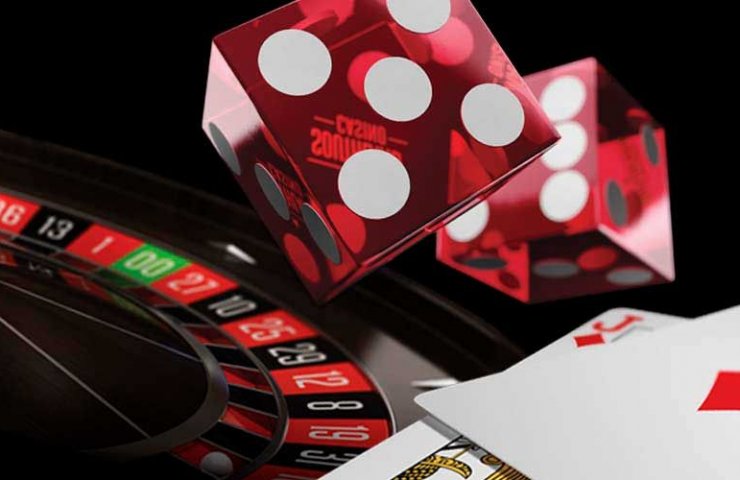
The sensation of risk can trigger the brain’s reward system, releasing dopamine, a neurotransmitter associated with pleasure. This creates a feedback loop where the anticipation of winning becomes addictive, driving players to continue gambling to chase that euphoric feeling. Even the mere act of placing a bet can generate a rush of adrenaline, reinforcing the attractiveness of taking risks in a casino setting.
The Role of Cognitive Biases
Cognitive biases play a significant role in how players perceive their chances of winning. The gambler’s fallacy, for instance, leads individuals to believe that past outcomes influence future results, creating a false sense of control over unpredictable games. Players might think they are “due” for a win after a series of losses, prompting them to gamble more than they initially intended.
Another bias, the illusion of control, convinces players they can influence the outcome of a purely chance-based game. This belief encourages further risk-taking as individuals feel empowered by their perceived ability to affect results, even when they cannot. Such biases not only distort a player’s understanding of odds but also enhance the overall excitement of the gambling experience.
Social Dynamics and Gambling
The social environment of casinos also influences player behavior significantly. Being in a lively atmosphere surrounded by others can amplify the thrill of gambling, creating a communal experience that enhances emotional responses. Social interactions can lead to shared excitement, modifying individual risk assessments and encouraging higher stakes among players.
Additionally, peer influence can shape gambling habits. When surrounded by enthusiastic gamblers, individuals may feel pressured to participate more actively, which can lead to increased risk-taking behavior. This social dynamic contributes to the overall psychology of gambling, where winning becomes not only an individual endeavor but also a collective experience that amplifies emotional highs and lows.
The Impact of Marketing and Design on Gambling Behavior
The design of casinos and the marketing strategies employed also play crucial roles in influencing gambling behavior. Vibrant lights, enticing sounds, and strategically placed machines create an environment that feels both inviting and stimulating. These elements are carefully engineered to heighten emotions and encourage prolonged play, making the act of gambling more alluring.
Furthermore, casinos often employ tactics such as offering complimentary drinks or loyalty programs, which can create a sense of obligation to keep playing. The combination of a visually stimulating environment and enticing promotions works synergistically to draw players in, increasing their propensity to engage in riskier behavior as they immerse themselves in the gambling experience.
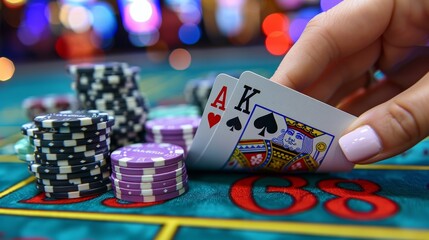
Connecting Creativity and Gambling Insights
While this exploration delves into the psychology behind casino gambling, it underscores a broader context where creativity meets risk-taking. Just as artists and crafters explore materials and techniques, gamblers navigate the uncertainties of chance. The risk involved in gambling parallels the creative process, where both require a willingness to embrace the unknown for potential rewards.
At The Ink Pad NYC, creativity takes center stage, offering avenues for self-expression and exploration similar to that found in the realm of gambling. While gambling engages the thrill-seeker in the pursuit of a win, creative pursuits allow individuals to take risks in a different context. This connection highlights the human affinity for both artistic expression and the excitement of uncertain outcomes, showcasing the multifaceted nature of risk in our lives.

